 eTopical Precious Finds
Facing sudden back pain can be both surprising and unnerving. What causes this discomfort? Is it a sign of something serious? Before anxiety sets in, this article is here to guide you through discerning the cause of your sudden back pain, acknowledging when it might be a serious health concern, and providing initial strategies for relief. Each section offers tailored insights without overwhelming you with medical jargon or sidestepping with unnecessary information.
Key Takeaways
- Sudden back pain can result from everyday activities or incidents, with both muscle strains and sprains as common triggers; however, certain symptoms may signal serious underlying conditions, necessitating immediate medical attention.
- Back pain can be attributed to various anatomical issues such as muscle spasms, nerve compression, or the role suboptimal core muscle strength plays in spinal alignment, with treatment often involving physical therapy to strengthen these areas and alleviate pain.
- Prevention and management of back pain involve a combination of home remedies, lifestyle adjustments to improve posture and ergonomics, regular exercise for muscle strengthening, and medical intervention when pain is persistent or accompanied by concerning symptoms.
Deciphering the Onset of Sudden Back Pain
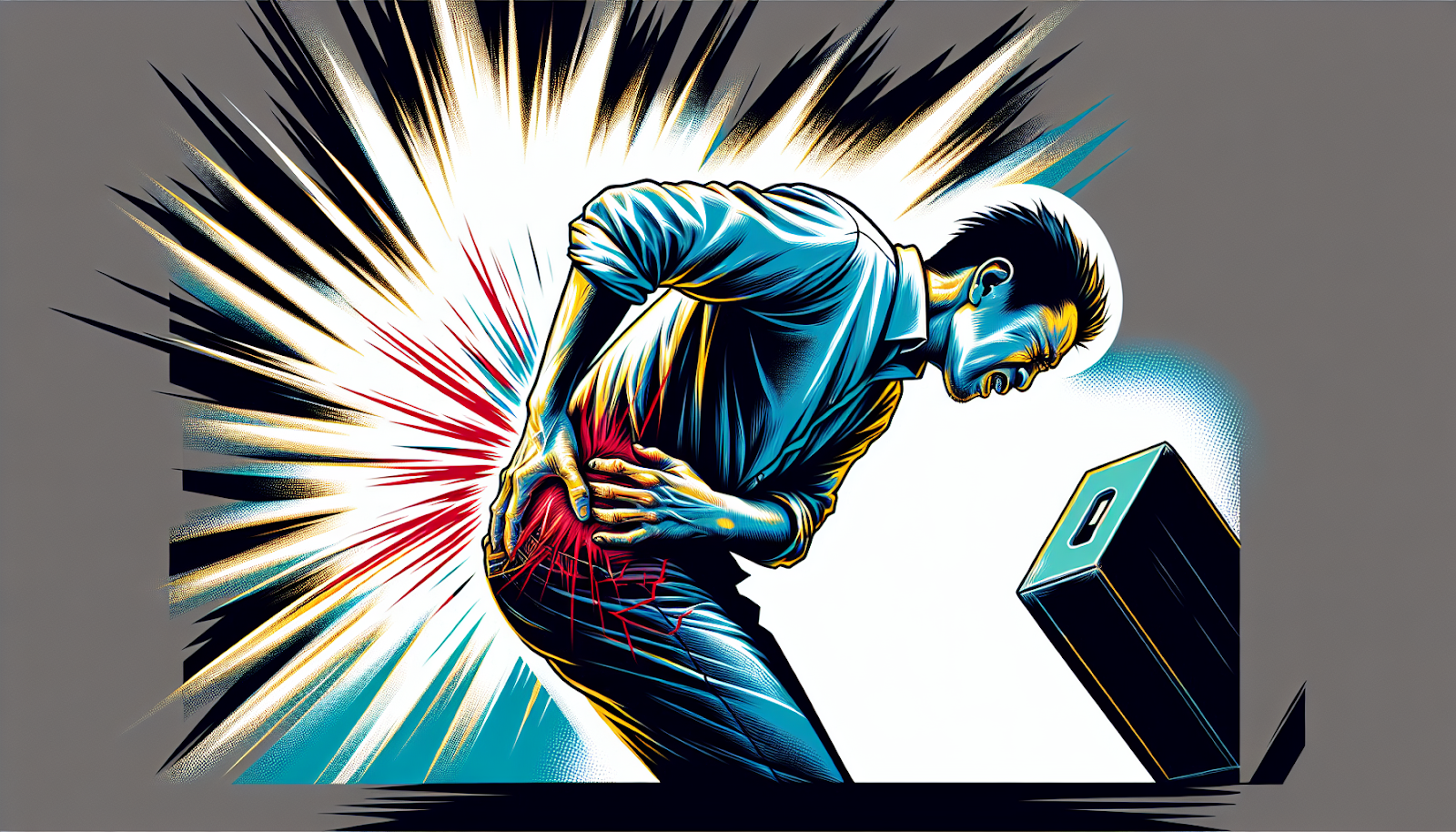
Experiencing sudden back pain can be as perplexing as it is incapacitating. The intensity of the discomfort varies widely, manifesting either as a persistent dull ache or an acute sharp pain that requires urgent attention. Recognizing when the back pain starts is crucial in determining whether you’re facing a temporary annoyance or a chronic condition that may indicate more serious underlying health issues. It’s an issue of significant prevalence. Indeed, in America, back pain ranks as the second most frequent cause for visits to physicians, highlighting the importance of understanding its causes.
Healthcare experts characterize back pain using different descriptions, which aids them in identifying and categorizing the nature of one’s discomfort for effective management and treatment strategies.
Identifying the Trigger: What Causes Sudden Low Back Pain?
Have you ever experienced a sharp sensation in your lower back right after picking up something heavy? Or maybe after being seated for an extended period, upon standing, you’re greeted with a significant amount of discomfort emanating from your spine? Everyday actions, along with particular events such as taking a severe blow, often trigger sudden low back pain. Acute back pain doesn’t necessarily stem from dramatic occurrences. It can also originate from long durations of sitting or even an unrecognized injury stemming from some mishap.
Yet there’s encouraging news: by practicing correct body mechanics when involved in activities like heavy lifting, one can thwart the onset of muscle spasms and subsequent low back pain.
When Pain Signals a Red Flag: Recognizing Serious Symptoms
When back pain transcends mere annoyance and hints at a deeper problem, what should one do? Acute back pain is often signaled by an abrupt, sharp sensation that might present as a tingling or burning sensation. It’s the additional symptoms that typically indicate cause for concern.
Be vigilant for serious warning signs such as:
- Pain extending to different parts of your body
- Limb weakness or numbness
- Neurological issues including alterations in bowel or bladder functions
- High fever
- Unintentional weight loss
Should you find yourself dealing with intense stabbing pains in your back coupled with a sudden inability to control bowels or bladder, immediate emergency medical care is imperative.
The Anatomy of Back Pain: From Muscles to Spine
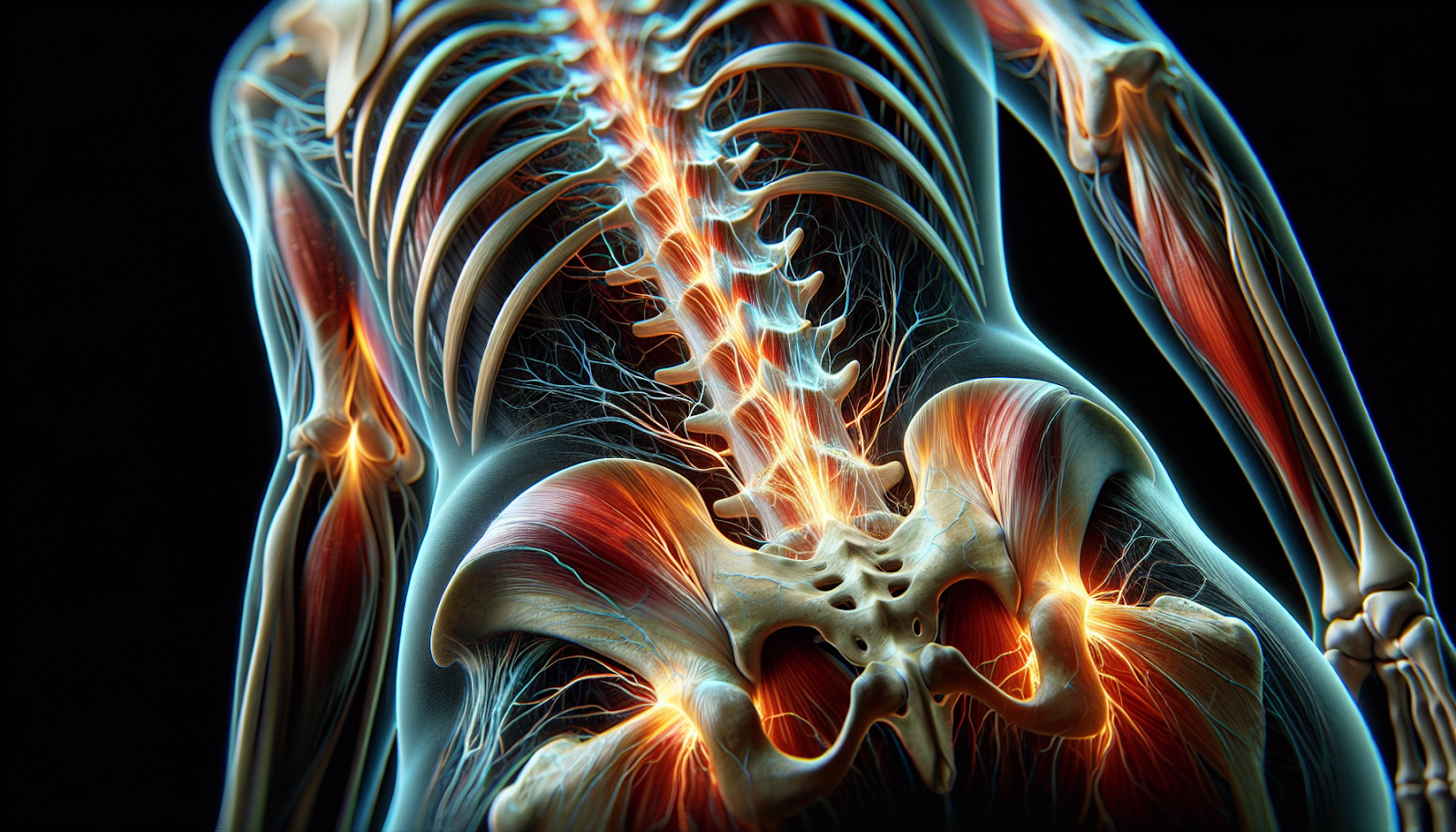
Our back is a complex network of elements that collaborate to uphold our routine functions. This includes the cervical and thoracolumbar spine, along with muscles, ligaments, and tendons—each playing an integral part in maintaining back well-being. When it comes to back pain, its origins may lie in mechanical or structural issues within this anatomy. Hence knowing these details is key for identifying appropriate treatment strategies.
It’s important to recognize that the etiology of back discomfort isn’t confined just to bones and muscular structures. Inflammation-based conditions among other medical concerns are equally capable of adding chapters to one’s narrative of pain.
Spine Bone Muscle Spasm: Understanding the Mechanism
Do you know that abrupt, instinctive tightening of your back muscles? Those are muscle spasams – a protective response by the body to guard against strains or injuries to the spinal muscles or soft tissue. These contractions serve as an automatic support system, creating stiffness in the region to protect it from additional injury, though they can be quite painful.
Conditions such as osteoarthritis or herniated discs may activate this muscular safeguarding mechanism, signaling underlying issues in the spine. The good news is that these spastic reactions typically subside within a few weeks, offering a window into how long recuperation might take.
Nerve Compression in the Spinal Canal: Impacts on Sensation and Movement
At times, discomfort originates not from muscle issues but rather deep within the confines of the spinal canal. A disk that has shifted or become herniated might protrude and exert pressure on the adjacent nerves, triggering an onslaught of discomfort. Such nerve compression can take various forms including sciatica or spinal stenosis. It may even be precipitated by a sudden injury affecting muscles and ligaments around the spine. The repercussions of such compression are serious — ranging from pain to numbness to muscular weakness — which can severely disrupt daily life.
Should at-home remedies for managing pain prove insufficient, more advanced diagnostic methods like CT scans and MRIs could be utilized to obtain a more detailed view of what’s causing nerve compression.
The Role of Abdominal and Core Muscles in Back Health
The muscles of the abdomen and core, including the lesser-known stomach muscles such as the transverse abdominis and multifidus, play a pivotal role in upholding spinal alignment and promoting back health. These abdominal and core muscles serve as vital supports for the spine, mitigating pain risks and preventing injuries.
This underscores that having robust core muscles transcends mere physical appearance. It’s essential for establishing a stable base that contributes to avoiding discomfort in the back.
Physical Therapy: A First Line of Defense Against Acute Back Pain
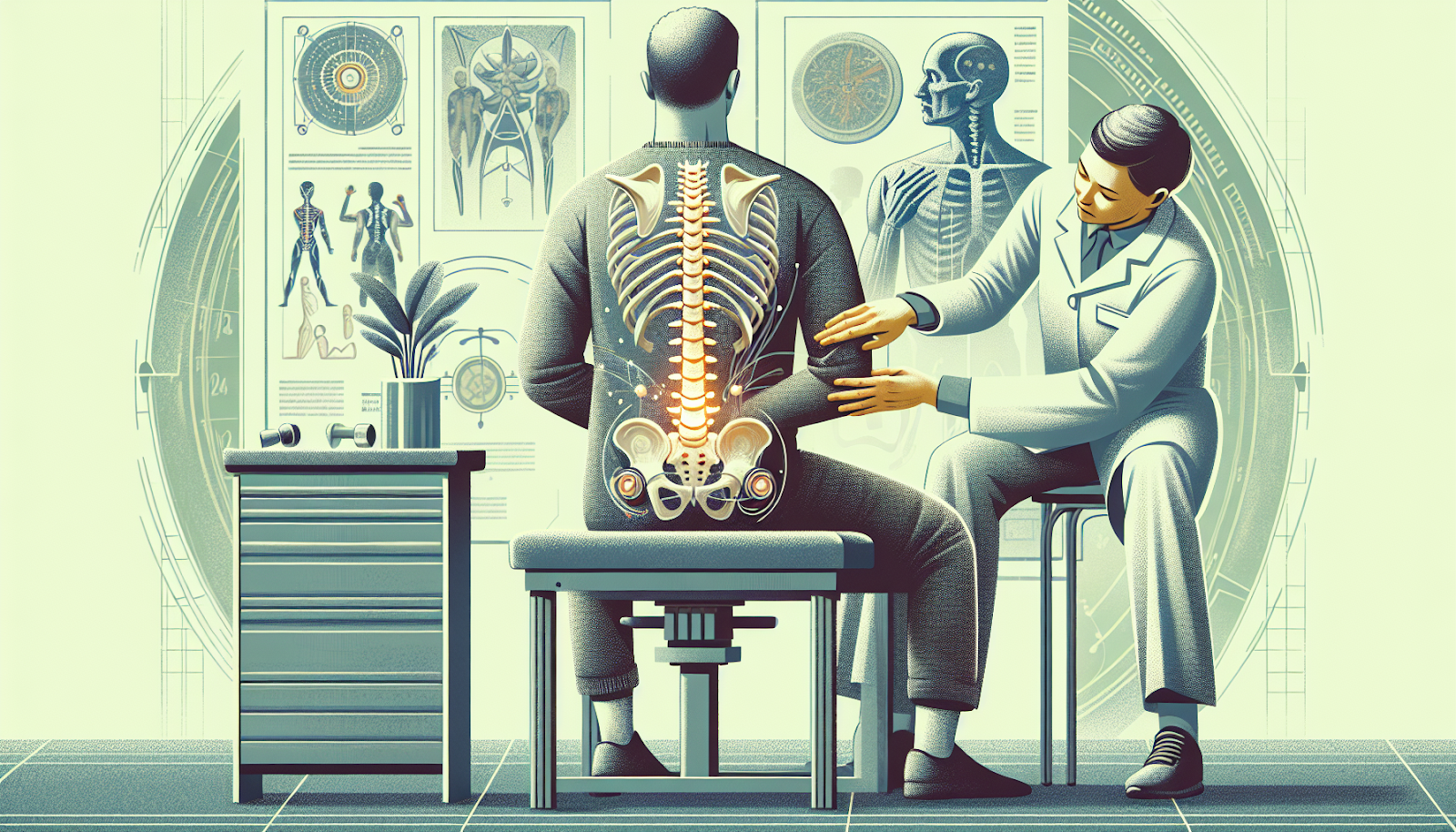
Physical therapy often emerges as a ray of hope for those suffering from back pain. Consulting a physical therapist for advice on exercises and stretches can be highly beneficial. Recommended by orthopedic specialists as an initial treatment option, it provides a non-surgical avenue toward alleviating discomfort and fostering recovery. Engaging patients in targeted exercises, hands-on care, and educational practices over the course of 4 to 6 weeks, physical therapy addresses acute symptoms associated with back pain and encourages healing processes.
Key advantages derived from undergoing physical therapy can help you evaluate these potential outcomes if you’re dealing with agonizing back issues.
By focusing on specially crafted exercises that bolster lower-back strength and overall spinal health conditioning, physical therapists steer individuals on the road to regaining their backbone’s well-being.
Strengthening Back and Abdominal Muscles Through Targeted Exercises
Embarking on a path toward enhanced back health typically involves implementing specific exercises designed to strengthen the abdominal and core muscles. Exercises such as pelvic tilts, planks, and movements using a Swiss ball are not only effective in augmenting muscle strength but also serve as protective measures to help prevent future episodes of back pain. Concentrating on the transversus abdominis with maneuvers like the abdominal drawing-in technique is essential for reinforcing this key muscle that functions akin to a natural spinal support corset.
To these strengthening routines, incorporating hamstring stretches and shoulder blade squeeze exercises can significantly improve both flexibility and coordination between one’s spine and hips—ameliorating tension while promoting greater resilience within one’s back structure. For individuals seeking broader relief strategies, many clinicians also recommend integrating these movements as part of a comprehensive pelvic pain treatment plan, since the hips, pelvis, and lower back are closely interconnected. Committing oneself regularly to an amalgamation of stretching and fortifying regimens lays down a formidable foundation for guarding against persistent troubles associated with back pain.
Techniques to Relieve Pressure and Reduce Pain
During an episode of acute back pain, it is crucial to find methods that can alleviate pressure and diminish discomfort. A short period of rest may be helpful at first, yet it’s important not to extend bed rest for too long since lack of movement might worsen the situation.
Exercises aimed at improving posture are vital because they focus on enhancing strength in both back and abdominal muscles. These exercises contribute significantly to spinal stability and help adjust any postural discrepancies.
Home Remedies and Lifestyle Adjustments for Managing Sudden Back Pain
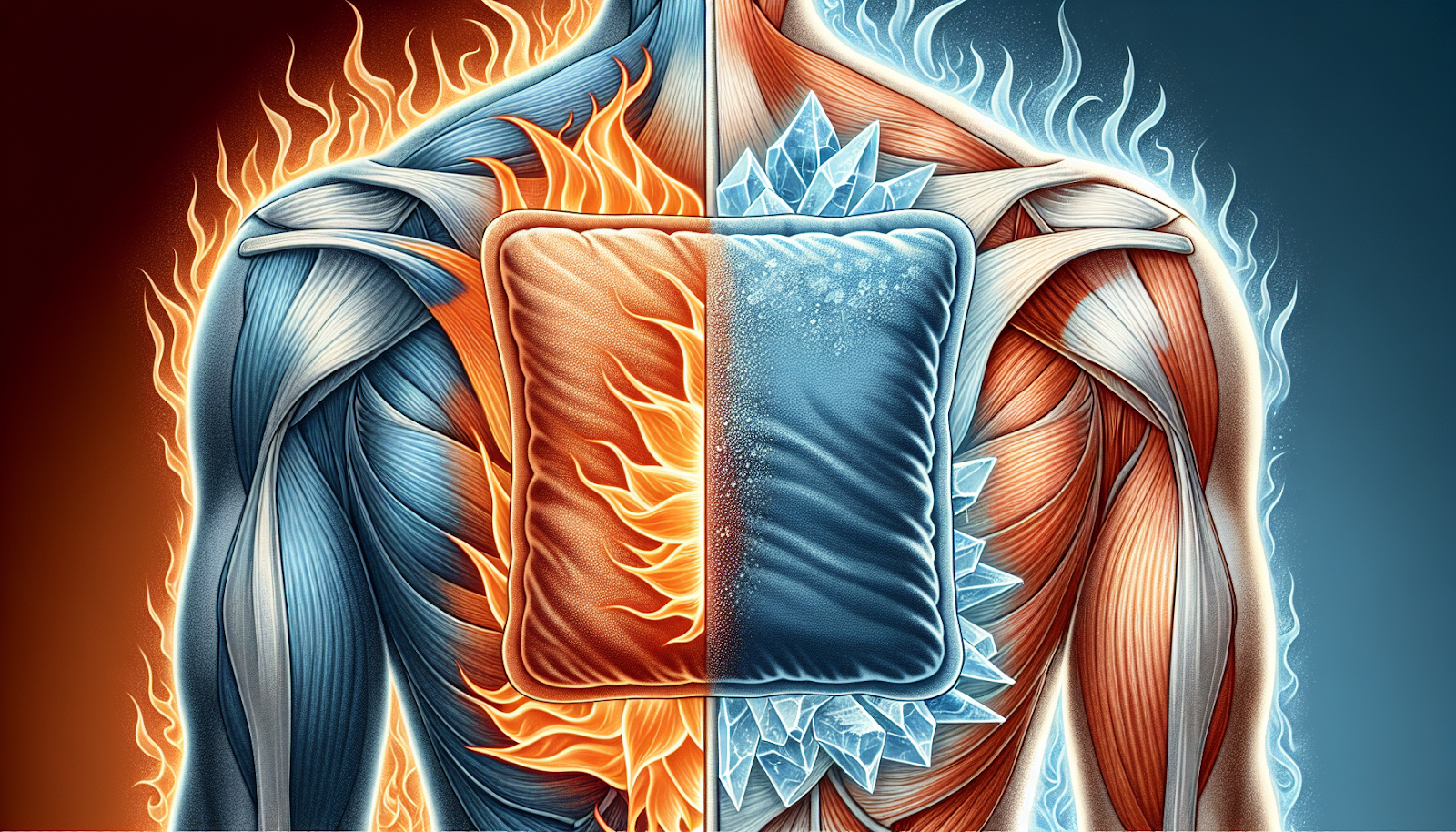
Occasionally, the remedy for acute back pain may lie within your own residence. Quick and easy solutions are at hand with the use of ice to diminish swelling or heat to comfort and aid recovery. Performing soft activities such as pelvic tilts and yoga exercises. Maintaining an active lifestyle through brief strolls can assist in controlling and lessening back discomfort.
Making specific changes that include wearing orthopedic shoes and setting up a work environment that is ergonomically sound can foster health in the lower back area. Also crucial is not to overlook the significant role played by adequate restful sleep, proficient stress management techniques, and a diet rich in anti-inflammatory properties when combating back pain issues.
The Power of Heat and Cold: Simple Strategies to Ease Pain
Heat and cold therapy serve as complementary home treatments for back pain, with heat providing relief and promoting healing when applied for about 20 minutes. In instances of persistent discomfort, a combination of ice packs and heat pads can both soothe the pain through numbing and encourage blood circulation, presenting an uncomplicated yet efficient approach to alleviate pain.
Posture and Ergonomics: Tips for Long Periods of Sitting or Standing
Maintaining proper posture during sitting and standing is essential for the health of our backs. Not only does it contribute to an appearance of calm, but it also helps in reducing stress on the discs in the lower spine, which can prevent or help manage back pain.
To keep back and abdominal muscles active and robust—vital elements in dealing with acute low back pain—it’s important to stay mobile rather than succumbing to prolonged periods of lying down.
The Significance of Body Weight: How Losing Weight Unintentionally Can Impact Back Health
Maintaining a healthy weight is crucial for the well-being of your back. It supports the preservation of the spine’s natural curve and reduces stress on it, playing an important role in staving off back pain. Consequently, staying within a recommended weight bracket is vital since carrying excess weight can cause back discomfort, while unintended loss of weight may be indicative of other health problems.
When to Seek Medical Attention for Sudden Back Pain
In cases where the severity of spine pain is accompanied by alarming symptoms like a loss of bowel or bladder control, an inexplicable fever, or challenges in standing upright, it’s imperative to pursue emergency medical care. Home remedies and exercises sometimes fall short for alleviating back pain that requires professional intervention.
Should persistent back pain fail to subside despite ample rest, progressively deteriorate, or interfere with sleep patterns—especially following a traumatic event—it may be indicative that one needs to undergo medical assessment, especially if severe symptoms are present.
Diagnostic Tools: From Physical Exam to Complete Blood Count
A range of diagnostic instruments is utilized to identify the source of back pain. It is crucial to ascertain if compression of the spinal cord plays a role in the discomfort experienced, and for this purpose, techniques including:
- physical examinations
- X-rays
- computed tomography (CT) scans
- magnetic resonance imaging (MRI)
They are beneficial. These methods enable physicians to look beyond external symptoms and provide information that shapes the approach to therapy.
Treatment Options Beyond Physical Therapy
In instances of severe or chronic back pain, the journey toward healing may extend beyond physical therapy. Should conservative treatments fail to offer relief and if progressive neurological deficits are observed, a physiatrist or orthopedist might suggest options such as medications, injections, or potentially surgery.
Preventing Future Episodes of Sudden Back Pain

Managing acute back pain effectively is essential, but equally important is the prevention of episodes. Engaging in physical therapy can serve as a proactive step not only to alleviate existing discomfort but also to enhance flexibility and movement range, contributing to future avoidance of such issues. It’s imperative to adopt a structured and gradual exercise regimen designed for fortifying core muscles, thereby reducing the odds of encountering subsequent instances of back maintenance troubles.
Exercises known for their effectiveness in strengthening the core include:
- Planks
- Bird dogs
- Bridge exercises
- Pelvic tilts
- Superman exercises
By integrating these specific activities into your daily routine, you’re actively taking measures toward shielding yourself from potential recurrences of back difficulties.
To aid in safeguarding against forthcoming episodes of affliction related to one’s spinal health, it’s advisable consistently engage in regular workouts, employ correct lifting techniques as well moving with caution, and aim at upholding a wholesome body weight by partaking regularly engaged forms physical endeavors like walking which support overall endurance build-up while simultaneously acting protective steps forestalling possible flare-ups involving distress within lumbar region.
Incorporating Regular Exercise to Strengthen Muscles
Regular physical activity not only benefits general health but is also crucial in fortifying muscles to avert the return of back pain. Engaging in aerobic activities, such as swift walking and cycling on a stationary bike, enhances blood flow and flexibility – both are advantageous for maintaining a healthy back.
Maintaining consistent engagement in exercises helps control body weight, acting as a preventative approach to stave off the development of back pain.
The Importance of Quitting Smoking and Other Lifestyle Factors
Making changes to one’s lifestyle, including:
- stopping smoking
- keeping a healthy weight
- maintaining proper posture
- engaging in consistent exercise
- effectively handling stress
Can greatly influence the well-being of your back. These adjustments to daily habits are crucial when combined with non-surgical interventions for controlling chronic back pain.
Summary
In essence, the multifaceted nature of sudden back pain stems from a plethora of precipitating factors, clinical manifestations, and anatomical origins. Management through physical therapy, tailored exercise regimens, and uncomplicated domestic treatments is often effective. Nevertheless, discerning when to obtain medical intervention remains vital for treating severe intrinsic conditions. A commitment to habitual exercise routine adherence ensures good posture maintenance while fostering wholesome life habits can mitigate discomfort and prevent recurrent bouts of back distress. This insight should encourage individuals to proactively govern their spinal well-being and pursue an existence unburdened by persistent agony.
Frequently Asked Questions
What immediate steps can I take at home to relieve sudden back pain?
To alleviate acute back pain while at home, consider using ice to diminish swelling and heat therapy for comfort and to encourage recovery. Engaging in mild activities, like pelvic tilts or short walks, can aid in controlling the discomfort. Extended periods of lying down should be avoided since they may exacerbate the issue.
How does posture affect back pain, and what can I do to improve it?
Maintaining proper posture lessens the stress on your back, which aids in both preventing and alleviating back pain.
Enhancing your posture can be achieved by arranging an ergonomic work environment and engaging in exercises designed for postural improvement that bolster your abdominal muscles as well as those of the back.
When should I consider seeing a doctor for my back pain?
If your back pain is accompanied by severe symptoms, such as an unexplained fever or a loss of bladder control, or if it continues for more than two weeks, becomes increasingly worse, or disrupts your sleep patterns, it’s advisable to consult a doctor.
Securing medical attention is crucial for the thorough examination and appropriate management of back pain.
Can regular exercise really prevent future episodes of back pain?
Indeed, engaging in consistent exercise designed to bolster core and back muscles is effective in staving off subsequent instances of back pain.
Regular walking and maintaining an optimum weight contribute positively to the well-being of one’s back.
Are there any lifestyle changes I can make to help manage chronic back pain?
Indeed, adopting regular exercise habits, keeping one’s weight within a healthy range, ceasing smoking activities, choosing a diet that minimizes inflammatory foods, and effective stress management can contribute to the relief of chronic back pain.
Embracing these lifestyle alterations can have a profound impact on improving the health of your back.